
Community leadership
Local people will help define the problem and review the solution.
Our approach
No two communities face the same challenges. We will work with people who understand their own priorities, rather than arrive with a list of assumptions.

Local partners, educators, community representatives and participants will identify priorities and existing resources. We will consider inclusion, accessibility, safety, local language and the needs of children and adults.
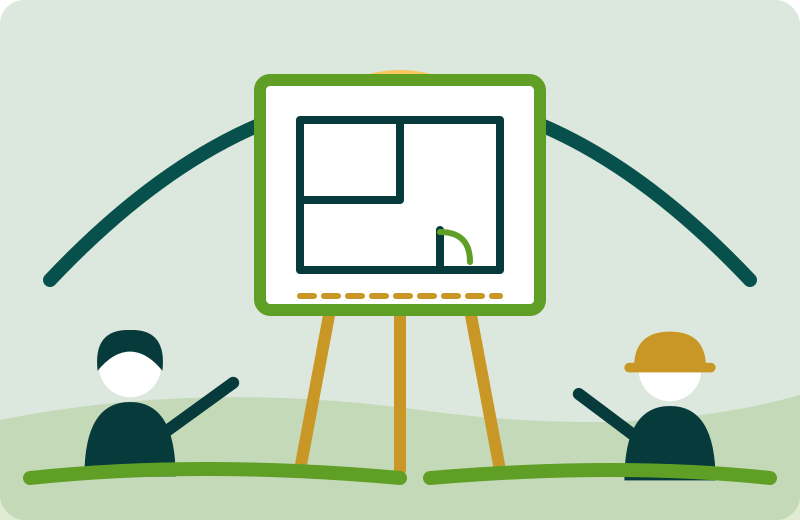
We will test whether a program is wanted and feasible. We will confirm permissions, choose suitable delivery partners, identify materials and develop a realistic budget and maintenance plan.

Qualified educators and licensed local tradespeople will lead teaching, hands-on learning and supervised construction or equipment work. Materials and equipment will be tracked.
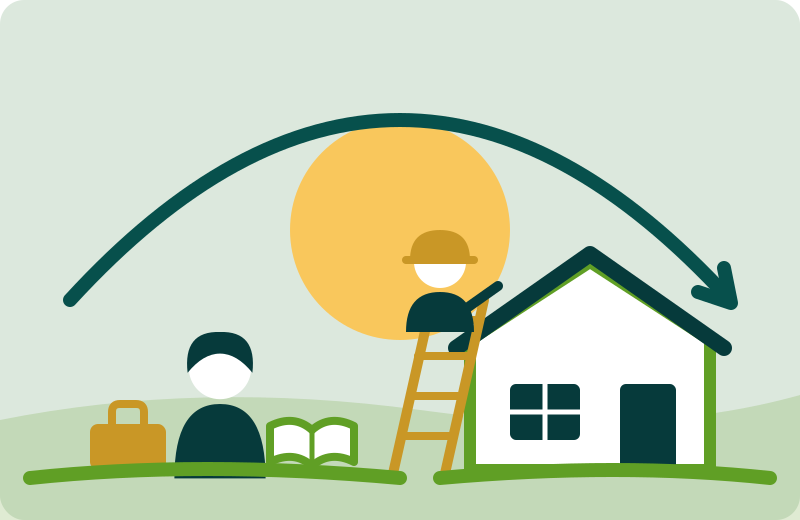
People responsible for facilities will receive training, instructions and supplies. We will document the handover, return to check condition and ask for honest feedback on what worked and what should improve.
Local people will help define the problem and review the solution.
Strong child safeguarding, appropriate technical qualifications and site-specific risk assessments will guide every step.
We will share clear budgets, recorded spending and honest public progress reports.
Support never depends on posing for photos or taking part in publicity.
We will prioritise solutions that can be operated, repaired and maintained in local conditions.
We will gather feedback, assess practical outcomes and adapt the next program.
Our first structured pilot is in planning in Thailand. It will combine children's learning, adult trade skills and one improvement the community chooses. A needs assessment and agreement with local partners will set the scope and budget.